Choosing the Best Underwater Camera for Your Diving Adventures
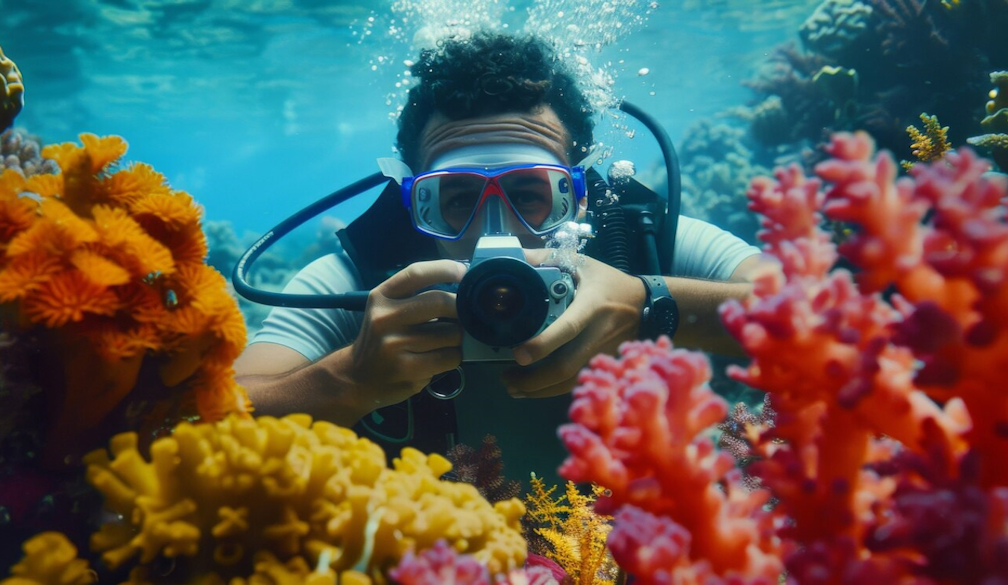
Capturing the stunning beauty of underwater life is a dream for many divers. Whether you’re a seasoned diver or just starting out, selecting the right underwater camera can make all the difference in documenting your aquatic adventures. Here’s a comprehensive guide to help you choose the best underwater camera for your diving needs.
1. Determine Your Skill Level and Purpose
Before diving into the specifics, consider your skill level and what you want to achieve with your underwater photography. Are you a beginner looking to capture memories, or a professional aiming for high-quality images for publications? Your experience and goals will significantly influence your choice of camera.
Beginners: Simple point-and-shoot cameras with automatic settings are ideal. They are easy to use, affordable, and can still deliver good image quality.
Intermediate to Advanced: If you have more experience and want to take your photography to the next level, consider a mirrorless or DSLR camera. These offer greater control over settings and superior image quality but come with a steeper learning curve and higher cost.
2. Budget Considerations
Underwater cameras range from budget-friendly options to high-end professional gear. Set a budget that aligns with your needs and stick to it. Remember to factor in additional costs for accessories such as housings, lights, and lenses.
Budget Options: Compact cameras are generally more affordable and can be a good starting point. Models like the Olympus Tough TG-6 or GoPro HERO9 are popular choices for their durability and ease of use.
High-End Options: For those willing to invest more, mirrorless cameras like the Sony a7R IV or DSLRs like the Nikon D850 offer exceptional image quality and versatility.
3. Camera Features to Consider
When choosing an underwater camera, pay attention to the following features:
Image Quality: Look for cameras with high-resolution sensors and the ability to shoot in RAW format for better post-processing flexibility.
Manual Controls: Advanced users should opt for cameras with full manual controls (aperture, shutter speed, ISO) to have complete creative control over their shots.
Lens Compatibility: If you choose a mirrorless or DSLR camera, consider the availability of compatible lenses for underwater use, such as wide-angle and macro lenses.
Durability: Ensure the camera and housing are robust and can withstand the pressures of deep dives. Waterproof ratings and shockproof designs are essential.
Battery Life: Long battery life is crucial for extended diving sessions. Some cameras offer the option to use an external battery pack.
4. Underwater Housing
A good underwater housing is essential to protect your camera and ensure it functions correctly at depth. When selecting housing, consider the following:
Compatibility: Ensure the housing is compatible with your specific camera model.
Depth Rating: Check the maximum depth rating of the housing to ensure it meets your diving needs. Most recreational divers will be fine with housings rated up to 40-60 meters, but technical divers may need more robust options.
Ergonomics: Look for housings with easy-to-use controls that are accessible even with gloves on.
Port System: If you plan to use interchangeable lenses, ensure the housing has a port system that accommodates different lens types.
5. Lighting
Underwater lighting is critical as natural light diminishes rapidly with depth. Consider investing in external strobe lights or video lights to enhance color and detail in your images.
Strobe Lights: Ideal for still photography, they provide powerful bursts of light to illuminate subjects.
Video Lights: Continuous lighting is better suited for video and close-up photography.
6. Additional Accessories
Consider other accessories that can enhance your underwater photography experience:
Lenses: Wide-angle and macro lenses allow you to capture a variety of subjects, from large seascapes to intricate details of marine life.
Filters: Red filters can help correct color balance at depth, bringing back the natural colors lost underwater.
Float Arms: These help balance your camera setup, making it easier to handle and reducing strain during long dives.
Conclusion
Choosing the best underwater camera for your diving adventures involves balancing your skill level, budget, and specific needs. By considering the key features and accessories outlined above, you can find a camera that will help you capture the incredible beauty of the underwater world. Whether you're a beginner or a seasoned pro, the right equipment can transform your dives into lasting memories.